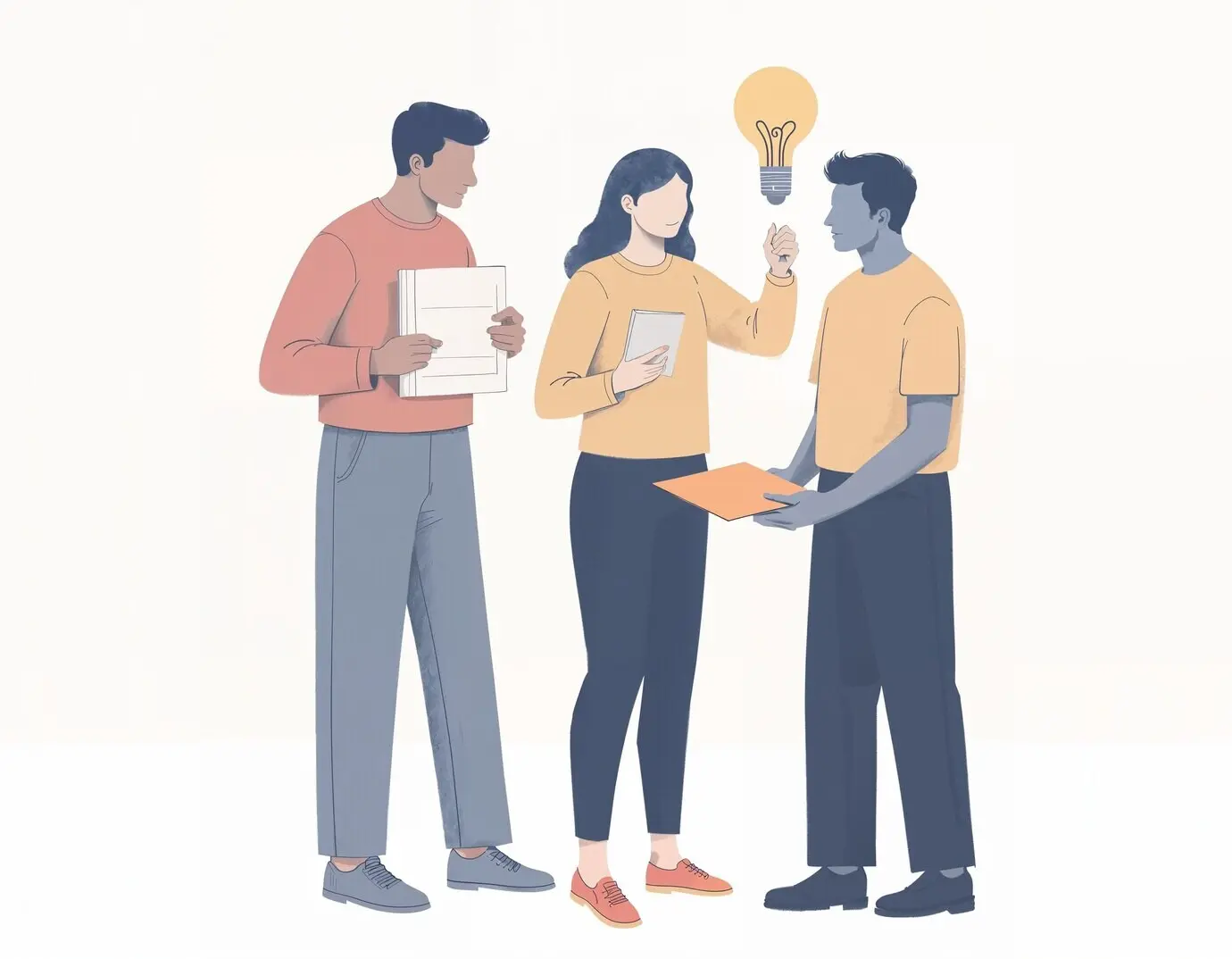


Work Together, Even When Apart

We’re diving into the Conflict Resolution Pattern Catalog for Hybrid Teams, turning scattered schedules and mixed channels into reliable routines for calm, constructive outcomes. Expect practical playbooks, field-tested cues, and humane checklists that help remote and on-site colleagues move from friction to clarity, trust, and shared progress. Share your toughest moments, subscribe for new patterns, and send questions so we can refine future entries together.

Shared Ground Before Sharp Edges

Conflicts shrink when alignment expands. Begin by making shared purpose visible, revisiting expectations, and refreshing norms that actually govern daily work. In hybrid setups, clarity about response times, tool etiquette, and decision authority preempts flare-ups and gives every later discussion a safer runway.

Separate Interests from Positions

Invite each person to state underlying needs—speed, stability, recognition—separate from preferred solutions. Map overlaps on a shared canvas and note tensions explicitly. This reframes arguments from personal battles into solvable design choices, reducing ego defense while accelerating creative, mutually beneficial options.

Decision Protocols Everyone Understands

Clarify whether choices follow consent, consensus, advice, or single-owner calling the shot after input. Publish thresholds, quorum rules, and veto usage. Clear protocols prevent circular debates and stop last-minute objections from derailing progress, especially across time zones and asynchronous participation.

Timing, Cadence, and Channel Choices

Medium and timing shape meaning. Reserve video for sensitive matters, use docs for detailed trade-offs, and async threads for broad input. Protect focus blocks, rotate meeting times fairly, and publish summaries consistently so those sleeping or commuting are never sidelined or surprised.

01

When to Switch from Chat to Call

If messages loop, emotions rise, or ambiguity multiplies, propose a quick call with a tight agenda and shared notes. Agree on desired outcome beforehand. In one distributed squad, a two-week thread resolved in twenty minutes once faces, tone, and shared sketches entered the conversation. Afterward, post a succinct recap to the original channel to preserve context, decisions, and accountability for absent colleagues.

02

Async Cooling-Off Windows

Schedule intentional pauses after contentious exchanges to let cognitive load drop. Encourage participants to write reflective notes rather than reactive replies. Time-buffered conversations reduce escalation, surface considered perspectives, and respect global time differences without punishing quieter, more deliberate thinkers.

03

Ritualizing Retrospectives

Hold recurring, blameless reviews focused on process, not personalities. Use rotating facilitators, anonymous prompts, and clear follow-through owners. One hybrid engineering group cut rework by a third after three cycles. Closing loops on previously identified friction builds credibility, while visible improvements demonstrate that feedback matters and courage to speak up will be rewarded.

Rotate the Chair

Share facilitation duties across levels and locations. Publish a rotation calendar, provide a lightweight script, and coach new hosts. When power to set agendas and close loops circulates, quieter members contribute earlier, and conflicts become design conversations rather than status contests or territorial skirmishes.

Silence Isn’t Consent

Treat quiet as data, not agreement. Build structured rounds where each person speaks once before anyone speaks twice. Offer text-first input for those less comfortable live. Inclusive formats surface hidden risks, broaden solution space, and prevent performative consensus that later explodes into resentment.

Language That De-escalates

Coach phrases that reduce heat: name impacts, avoid blame, and ask open questions. Replace “you never” with “I notice” and “help me understand.” Share glossaries, avoid acronyms, and invite clarifications without shame so multilingual teams can collaborate confidently under pressure.

Diagnostics and Early Warning

Great teams notice micro-signals early. Track response lag, meeting heat, and rework frequency as leading indicators. Use lightweight surveys and pulse checks to spot simmering issues. Early intervention preserves momentum, protects relationships, and reduces the emotional toll of prolonged uncertainty or festering ambiguity.

Heat Maps for Team Tension

Visualize hot spots by tracking contentious threads, missed deadlines, and unresolved comments. Share anonymized aggregates, not personal callouts. When everyone can see where friction gathers, they can reroute dependencies, request facilitation early, and prioritize conversations that clear the path for delivery.

Conflict Pre-Mortems

Before launching risky work, imagine the disputes that could arise and document prevention steps. Identify likely misunderstandings about scope, ownership, or quality. Naming danger in advance normalizes vigilance, creates permission to surface doubts, and equips the team with scripts for rapid de-escalation.

Micro-acknowledgments

Teach the habit of small recognitions: reflect back what you heard, thank people for candor, and note effort even when disagreeing. These brief signals replenish trust, lower defensiveness, and create space for rigorous critique without turning feedback sessions into personal showdowns.

Repair, Learning, and Closure

Resolution is not the finish; repair keeps relationships resilient. Close conflicts with acknowledgments, documented agreements, and follow-up dates. Tell the story of what changed and why. Celebrate courage, not just outcomes, so future disagreements carry less fear and more shared confidence.

Structured Apologies

Guide leaders and peers to apologize with specificity: name the action, own the impact, outline changed behavior, and invite feedback. Avoid conditional language. Concrete apologies reduce shame spirals, model accountability, and make it safer for others to take responsibility promptly.

Document the Pattern, Not the Person

Capture what worked in your playbook as a reusable procedure: cues, steps, and guardrails. Avoid naming individuals. By recording learning as a pattern, teams improve faster, reduce gossip, and ensure future conflicts benefit from proven moves instead of improvisation under stress.

Celebrate Reconciliation

Mark repaired relationships with brief notes of appreciation, shout-outs in retrospectives, or small rituals. Recognition anchors new behavior and rewires group memory toward possibility. When reconciliation is visible, people approach tough conversations sooner, with steadier hearts and confidence that repair is welcome. Share your own rituals in replies to inspire the community.

Taxakuxepekemeru
Privacy Overview

This website uses cookies so that we can provide you with the best user experience possible. Cookie information is stored in your browser and performs functions such as recognising you when you return to our website and helping our team to understand which sections of the website you find most interesting and useful.