
Bridging the World Through Smarter Conversations
Today we explore cross-cultural communication patterns for global collaboration, transforming misunderstandings into momentum. Expect practical stories from meetings that spanned Tokyo, Lagos, and Berlin, plus simple frameworks to read context, negotiate meaning, and build shared understanding. Bring your own experiences, ask questions, and use these ideas to host clearer meetings, friendlier emails, and agreements that actually stick across borders.
High Context Versus Low Context Messages
High context communication expects listeners to infer meaning from relationships, setting, and subtle cues, while low context communication states everything plainly, often documented. If your calendar is full of cross-border calls, learn to slow down and verify assumptions. Repeat key decisions back. Ask what would be obvious locally. This is not about right or wrong, but about coordination. When you match expectations, trust grows and projects accelerate without preventable friction.
Directness, Diplomacy, and Saving Face
Some teams value forthright critique as a sign of respect and efficiency. Others protect relationships with careful phrasing, buffered feedback, and time to digest. Misreading either style can bruise confidence or stall clarity. Try layering feedback by separating intent, observation, and actionable next steps. Offer choices rather than verdicts. When people feel respected, they welcome clarity without defensiveness. Share your approaches with colleagues and invite theirs, building a respectful style everyone can navigate.
Silence, Pauses, and Turn-Taking Rituals
Silence tells different stories. It can signal reflection, disagreement, politeness, or simply a lagging connection. What feels like uncertainty to one person may be considered thoughtful respect to another. Set norms for pauses, handovers, and clarifying checks. For example, count two beats before jumping in, and invite quieter voices by name. A short agenda note explaining protocols reduces anxiety. When everyone knows how turns work, ideas surface more evenly and decisions come with less regret.
Reading the Hidden Signals Across Cultures
Messages do not travel the same path everywhere. In some places, shared history carries meaning between the lines, while elsewhere clarity demands explicit details and written confirmation. We will compare common patterns, highlight cues that often go unnoticed, and share a quick story about a project plan that failed until the team mapped assumptions. Use these insights to catch meaning early, ask respectful questions, and co-create understanding before milestones wander off course.
Time, Deadlines, and the Rhythm of Work
Time preferences shape collaboration just as strongly as job titles. Some cultures treat schedules like contracts that organize focus, while others treat them as living guides that flex with relationships and emerging information. Recognizing these differences turns tension into design. Build buffers, map dependencies, and explain why a given milestone truly matters. Share calendar constraints, holidays, and response windows openly. When teams choreograph pace together, they reduce last-minute chaos and preserve quality without sacrificing trust.

Power, Hierarchy, and Decision Paths
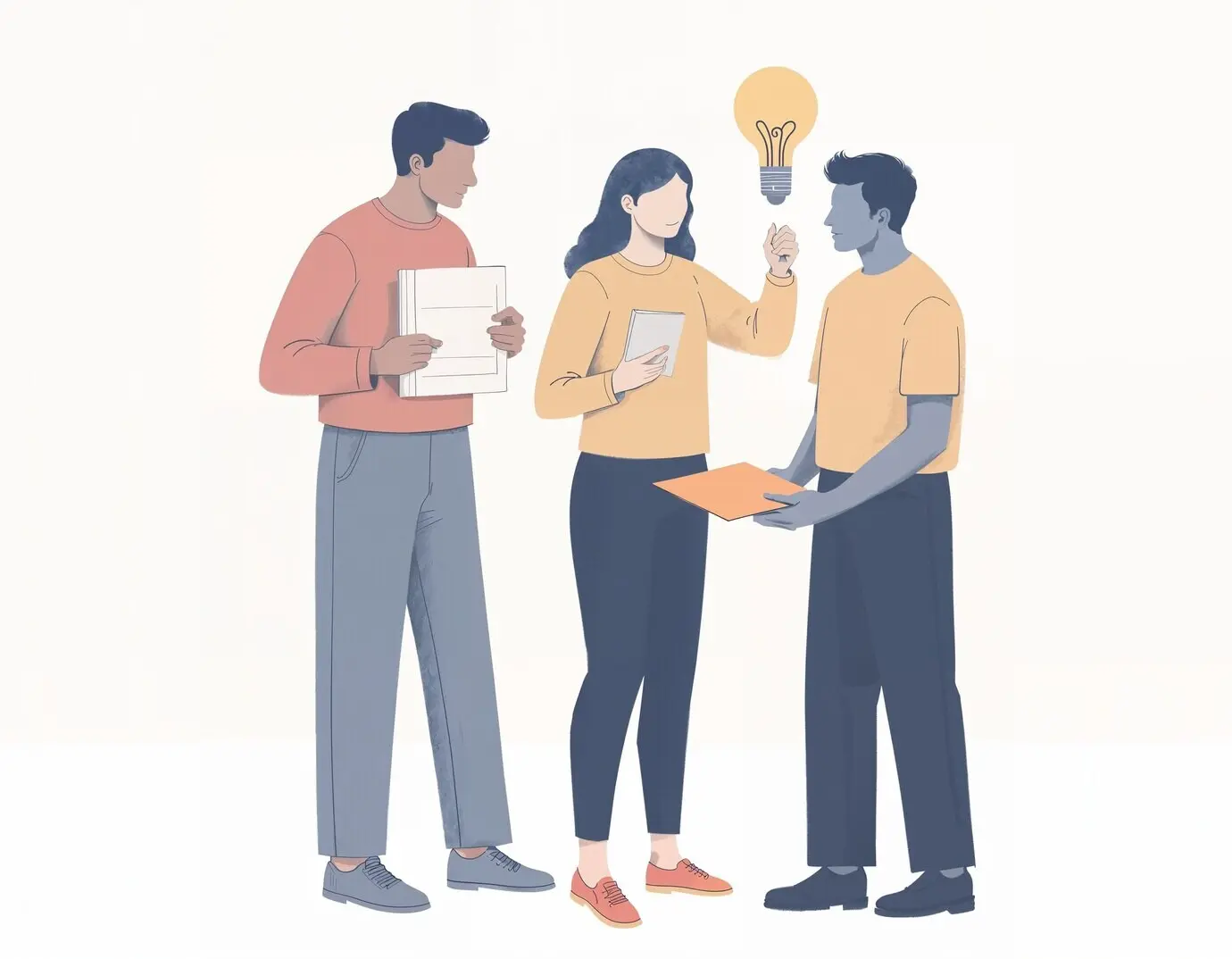
Who speaks first, who decides, and how dissent appears vary widely and influence outcomes more than any slide deck. In some groups, leadership listens quietly then concludes. In others, the group debates openly until consensus emerges. Mapping these tendencies reduces surprise. Explain your default style, request local guidance, and offer structured alternatives. When teams align decision rules and escalation lanes, people stop reading tea leaves and start sharing usable information at the right moment.
In high power distance environments, deference guards respect and stability. In low power distance settings, challenge signals engagement and ownership. Neither guarantees safety. Create deliberate channels for upward feedback, like anonymous prompts and rotating facilitators. Model curiosity by thanking critics. Pair junior and senior voices in duos to reduce risk and increase learning. When people see that disagreement is welcomed and acted upon, hierarchy becomes a backbone for execution rather than a barrier to truth.
Not every choice merits full consensus, yet some decisions unravel without it. Clarify which method fits the moment. For reversible bets, use speed with a leader call. For consequential, sticky commitments, invest in alignment. Use decision records that state the method, options examined, and reasoning. Invite silent input before vocal debate to broaden perspectives. When the path is explicit, participants feel respected even when their preferred option is not selected, sustaining momentum after the meeting ends.
Language That Travels Well
Shared language is a bridge, not a test. Many global teams rely on English, but fluency levels vary, idioms confuse, and humor does not always cross borders intact. Fewer words and clearer structure help everyone shine. Replace slang with plain language, confirm understanding with short summaries, and invite corrections without embarrassment. When communication becomes a mutual craft rather than a gatekeeping exercise, more people contribute ideas, and better decisions arrive earlier.

Nonverbal and Digital Body Language
Eye Contact, Gestures, and Space
Steady gaze may read as confidence or confrontation; minimal eye contact may read as respect or uncertainty. Hand gestures can empower or distract. Ask teammates what feels comfortable and adapt. Position cameras at eye level to reduce unintended dominance. In rooms, arrange seats to balance authority with approachability. These small spatial decisions shape participation. When people feel physically comfortable, ideas travel farther with fewer defensive detours and more collaborative energy.
Emoji, Reactions, and Tone Online
A single emoji can soften a sharp sentence or trivialize serious feedback. Reactions can flood channels or create warm acknowledgment. Define when symbols help and when they distract. Encourage tone checks before hitting send, especially across languages. If a message could be read two ways, add one sentence of intent. Digital minimalism beats ambiguity. Over time, shared norms turn online tone into a trustworthy layer rather than a source of accidental friction.
Camera Norms, Presence, and Inclusion
Video can deepen connection, but it also exposes home contexts and bandwidth constraints. Offer equitable options: camera on for short intros, off for focus segments, with chat and hand-raise features active. Rotate facilitation so presence is not measured by volume or proximity to leadership. After meetings, gather quick pulses on what helped inclusion. Updating norms together builds trust, giving people permission to show up authentically while protecting energy and attention.
Building Cultural Intelligence Together

Growing CQ With Practical Habits
CQ includes motivation, knowledge, strategy, and action. Feed motivation by linking cross-cultural skill to personal goals. Build knowledge with micro-lessons and buddy pairings. Plan by previewing cultural assumptions before big moments. Act by trying small experiments, like rotating meeting openers or reframing status updates. Journal results and celebrate progress. When practice aligns with purpose, cultural intelligence stops being training and becomes the everyday craft of working well together worldwide.

Team Communication Charter
Draft a living document that captures norms for meetings, messaging, decisions, and feedback. Keep it short, visible, and revisited monthly. Tag expectations with why they exist, not just what they require. Add examples that show tone and structure. Invite new members to propose edits within their first weeks. When a charter reflects actual behavior and welcomes improvement, it becomes a trust anchor that simplifies onboarding and dampens avoidable conflict.
Learning From Missteps Without Blame
Every global team has awkward moments. Treat them as data. Hold blameless debriefs that focus on signals missed, not people at fault. Capture one preventive practice and one repair practice each time. Share anonymized stories across teams to spread wisdom faster than mistakes repeat. Thank those who speak up. When learning is normalized, innovation accelerates, because teammates stop hiding confusion and start turning small stumbles into bridges to better collaboration.
All Rights Reserved.