
Mining and Codifying Workplace Interaction Patterns Together
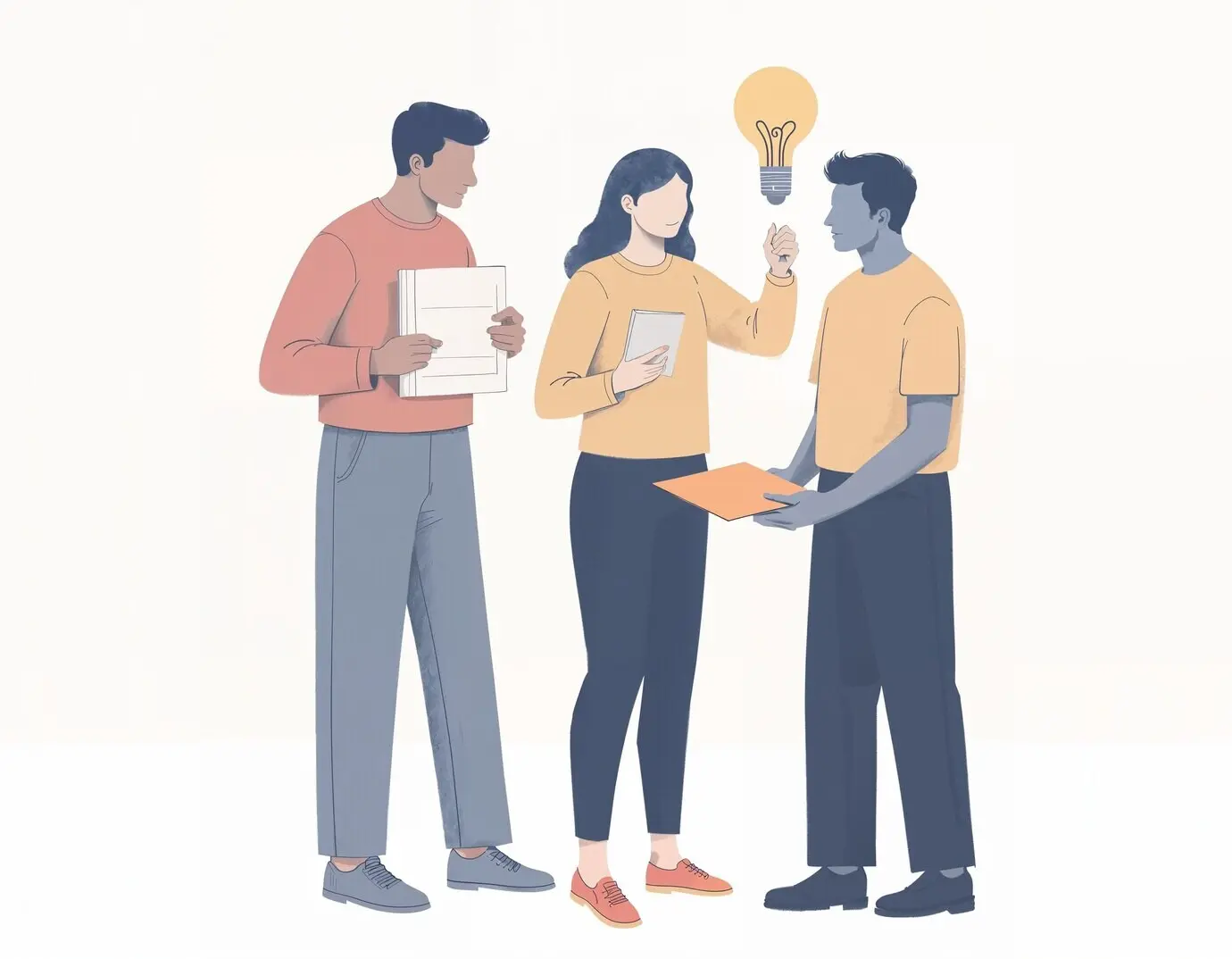
Step into a practical journey focused on Workshop Techniques to Mine and Codify Workplace Interaction Patterns. We will turn everyday conversations, subtle handoffs, and meeting rituals into clear, shareable structures that guide better collaboration. Through immersive exercises, ethical observation, and collective sensemaking, you will learn how to surface what truly drives outcomes. Bring your questions, stories, and experiments—your lived experiences sharpen every insight, reveal blind spots, and shape durable codes that improve alignment, speed decisions, and protect the human relationships at the heart of meaningful work.

Framing Sharp Inquiry Questions

Trade vague prompts for focused inquiry that names contexts, triggers, and outcomes. Ask what people actually do when deadlines compress, information is incomplete, or priorities collide. Define success criteria and sampling methods before the workshop starts. Encourage participants to challenge assumptions, provide counterexamples, and share exceptions that strain current rules. Sharp questions unlock vivid data, reduce unhelpful speculation, and create a map of behaviors that holds up under scrutiny long after the session ends.

Designing Safe, Candid Spaces

Psychological safety is not a slogan; it is a set of observable practices. Set up rotating facilitation roles, clear timeboxing, and explicit norms for interruption and turn-taking. Establish confidentiality, especially when discussing sensitive customer escalations or interpersonal conflict. Model humility by naming your own blind spots. Use check‑ins and warm‑ups that normalize uncertainty. When a quiet voice surfaces a hard truth, celebrate the courage and make it easy for others to follow, without fear of repercussion or performative defensiveness.

Ethical Consent and Privacy

Before capturing audio, video, or transcripts, secure informed consent that spells out purpose, storage, retention, and access rights. Anonymize sensitive details, redact personally identifiable information, and avoid over-collection. Create clear opt‑out paths without penalty. Share how insights will be used, who will steward them, and how participants can review or contest interpretations. Ethical rigor builds trust, reduces risk, and raises data quality. It also models respectful collaboration, reminding everyone that human dignity is more important than any efficiency gain.

Fieldcraft for Real Conversations

Live Shadowing With Respectful Presence

When you shadow, you are a guest in someone’s working day. Move quietly, ask permission before recording, and check interpretations in the moment. Note transitions between focus work, collaboration, and coordination. Track micro‑decisions like when someone chooses to ping versus schedule. Watch for bottlenecks triggered by tool limits or unclear ownership. Afterward, validate what you saw and what you may have missed. Respect creates richer access and ensures people invite you back when the stakes are real.

Conversation Mapping and Adjacency Pairs

Capture dialogue structure, not just words. Identify adjacency pairs—question and answer, request and acceptance, proposal and counterproposal. Mark repair moves when misunderstandings are fixed. Notice how turn‑taking norms shape outcomes: who interrupts, who defers, who invites elaboration. Document how clarity emerges or collapses. These maps reveal recurring sequences that predict success or failure. Later, you can codify them into reusable patterns that teach teams how to ask better questions, make cleaner commitments, and exit conversations with aligned next steps.

Micro‑behaviors, Artifacts, and Environmental Cues

Great insights hide in the small stuff. Track the moment someone shares a draft instead of promising future polish, the quick emoji that signals alignment, or the checklist taped to a monitor that prevents mistakes. Catalog artifacts—templates, keyboard shortcuts, channel naming—and environmental cues like noise, screen setups, and seating that either promote or hinder flow. Combine these with observed outcomes to identify leverage points. Tiny changes, precisely described, often produce outsized improvements in reliability, speed, and morale.


Interactive Exercises That Surface Hidden Dynamics

Some truths emerge only when people try new roles, speak from different vantage points, or see their assumptions mirrored back. Use structured activities—Fishbowl dialogue, World Café, constellation mapping, and playful role‑play—to expose tensions, negotiate trade‑offs, and test alternative behaviors. Encourage divergent and convergent rounds to separate ideation from decision. Capture quotes, gestures, and moments of surprise. A logistics team once realized that a single phrasing change in escalations defused defensiveness; they discovered it during a role‑swap exercise, then codified the phrasing as a reusable pattern.

From Raw Notes to Coherent Structures

Sensemaking turns scattered observations into clarity. Use affinity clustering, axial coding, and named categories to connect behaviors with contexts and outcomes. Mark exceptions and boundary conditions so guidance remains honest. Pair qualitative notes with lightweight metrics: lead time, rework, and sentiment pulses. Create journey maps that reveal where misunderstandings begin and where they are repaired. Build sociograms to visualize influence paths. Invite participants to challenge categories, refine names, and merge duplicates. Co‑ownership strengthens fidelity and accelerates adoption.

Turning Insights Into Reusable Codes

Codification translates insight into guidance people can find and use. Write pattern cards with clear names, triggers, steps, and sample language. Create taxonomies and tags that make retrieval effortless. Define boundary conditions so misuse is unlikely. Establish naming conventions that favor everyday words over jargon. Package patterns into playbooks aligned to common moments: kickoff, handoff, incident, and retrospective. Invite feedback loops and propose small experiments to validate impact. Codes should empower, not police, and evolve as your context shifts.

Tools, Data, and Responsible Automation

Choose tools that fit the work, not the other way around. Use transcription pipelines for interviews, shared canvases for clustering, and lightweight databases for storing patterns and tags. Automate rote tasks while keeping humans in the loop for judgment and nuance. Treat AI as an assistant for summarization, never as a final arbiter of meaning. Document prompts, assumptions, and limitations. Prioritize accessibility and performance so diverse teams can participate fully. Tooling should amplify collective intelligence without overshadowing human relationships or ethical commitments.

Micro‑experiments and Nudges at Work

Pick one pattern and pilot it for two weeks with a single team. Announce the change, track specific behaviors, and reflection points. Use prompts in calendars or channels to reinforce new habits. Celebrate improvements, however small, and analyze misses without blame. Adjust language to local culture so adoption sticks. End with a short retrospective and decide whether to scale, modify, or archive. Incremental wins compound into durable norms that reshape collaboration far more reliably than sweeping mandates.

Training, Coaching, and Peer Circles

Offer short, hands‑on sessions where people practice scripts, try facilitation moves, and receive supportive feedback. Pair newcomers with experienced peers. Build monthly circles that review a few pattern cards and trade field stories. Keep sessions practical, brief, and tied to real work. Provide printable one‑pagers and quick videos. When people feel seen and supported, they experiment confidently, report back honestly, and help refine the shared library so it remains relevant and respectful across teams.
Taxakuxepekemeru
Privacy Overview

This website uses cookies so that we can provide you with the best user experience possible. Cookie information is stored in your browser and performs functions such as recognising you when you return to our website and helping our team to understand which sections of the website you find most interesting and useful.